Tag: pest control services

Professional Exterminators: The Ultimate Guide to Safe and Effective Pest Elimination

It often starts with something small. A faint scratching sound behind the wall at night. A line of ants marching across the kitchen counter. A sudden glimpse of a cockroach disappearing beneath the sink. At first, it may seem manageable or even harmless. But pests rarely stay small problems for long.

They multiply quickly, hide in hard to reach spaces, and create health and structural risks that can escalate before you realize the extent of the issue. This is where professional exterminators at Ben’s Pest Control play a crucial role in restoring safety, cleanliness, and peace of mind.

What Exterminators Do and Why They Matter
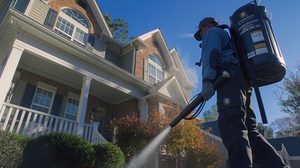
Exterminators

Exterminators are trained professionals who specialize in identifying, eliminating, and preventing pest infestations. Their work goes beyond simply removing visible insects or rodents. They assess the full scope of a problem, locate nesting areas, identify entry points, and implement strategies designed to prevent recurrence.

Pests are not only unpleasant to encounter, they can cause serious damage. Rodents chew through wiring and insulation, increasing the risk of fire. Termites weaken wooden structures, sometimes silently for years. Cockroaches and rodents contaminate food and surfaces with bacteria. Professional exterminators understand the behaviors and life cycles of different pests, allowing them to apply targeted solutions that address the root cause.

Their expertise ensures that treatments are both effective and safe. Modern extermination methods are carefully regulated and designed to minimize risk to people and pets. By relying on trained professionals, homeowners and businesses avoid the dangers of improper chemical use or incomplete treatment.

Common Pests That Require Professional Extermination

While some minor pest problems may seem manageable, many infestations require the skills of experienced exterminators. Ants are among the most common household invaders. Though small, they can infiltrate kitchens, bathrooms, and even structural components. Certain species create large colonies that are difficult to eliminate without professional intervention.

Cockroaches thrive in warm, moist environments and reproduce rapidly. They are known carriers of allergens and bacteria, making them particularly concerning in homes with children or individuals with respiratory conditions. Professional extermination ensures thorough treatment of hidden breeding areas.

Rodents such as mice and rats present both health and structural risks. They chew through wood, drywall, and electrical wiring. Their droppings and urine contaminate surfaces and can spread disease. Because rodents often nest inside walls or attics, locating and eliminating them requires specialized knowledge.

Termites are among the most destructive pests. They feed on wood and cellulose materials, often causing extensive structural damage before being detected. Exterminators use advanced inspection techniques to identify termite activity and implement targeted treatment plans.

Stinging insects such as wasps can also pose safety concerns. Nests located near entryways or outdoor living spaces increase the risk of painful stings. Professional removal ensures safe handling and reduces the likelihood of aggressive behavior during treatment.

The Extermination Process Explained

The extermination process begins with a comprehensive inspection. Exterminators examine both interior and exterior areas to identify signs of infestation. This includes looking for droppings, nests, damaged materials, and entry points.

Once the pest species and severity of the infestation are determined, a customized treatment plan is developed. Different pests require different approaches. Some situations may involve baiting systems, while others require targeted applications in specific areas.

Safety is always a priority. Professional exterminators use products and techniques that are approved and carefully applied to minimize exposure. They provide guidance on necessary precautions during and after treatment.

Follow up visits are often part of the process. Monitoring ensures that the treatment has been effective and allows for adjustments if needed. Long term success depends on addressing not only the immediate infestation but also the conditions that allowed it to develop.

Effective communication between exterminators and property owners ensures that expectations are clear and that preventative recommendations are understood.

Preventative Measures and Long Term Protection

Extermination is only one part of comprehensive pest management. Preventative measures are essential for maintaining a pest free environment. Exterminators often provide guidance on reducing factors that attract pests.

Sealing cracks and gaps around windows, doors, and foundations prevents pests from entering. Repairing damaged screens and installing door sweeps further strengthens barriers. Eliminating moisture sources such as leaky pipes reduces the appeal of interior spaces.

Proper food storage and sanitation practices limit access to nourishment. Regularly cleaning countertops, securing trash containers, and removing clutter help discourage infestations.

Outdoor maintenance also contributes to prevention. Trimming vegetation away from the structure and removing debris reduces nesting opportunities. Maintaining clean gutters prevents water buildup that can attract insects.

Many property owners choose to schedule routine inspections as part of ongoing protection. Regular monitoring ensures that potential issues are detected early, reducing the likelihood of severe infestations.

Health and Safety Benefits of Professional Exterminators

The presence of pests can significantly impact health and safety. Rodents and insects carry bacteria and pathogens that contaminate surfaces and food supplies. Exposure to pest droppings and shed skins can trigger allergies and respiratory issues.

Professional exterminators address these concerns by eliminating infestations and sanitizing affected areas. Their work helps restore a clean and safe environment for occupants.

Structural safety is also improved through professional pest management. Termite damage can weaken support beams and flooring. Rodents chewing on wiring increase fire risk. Timely extermination protects both property and people.

In addition to physical health benefits, eliminating pests reduces stress and anxiety. Living in a home free from unwanted intruders enhances comfort and overall well being.

Choosing the Right Exterminator

Selecting a qualified exterminator is an important decision. Experience and knowledge of local pest behaviors contribute to effective treatment. Trained professionals understand how to identify subtle signs of infestation and implement appropriate solutions.

Clear communication is essential. A reliable exterminator explains the treatment process, outlines expected results, and provides transparent pricing. Understanding the plan helps build trust and confidence.

Licensing and adherence to safety standards demonstrate professionalism. Proper training ensures that treatments are applied correctly and responsibly.

Consistency is also important. Establishing an ongoing relationship with a trusted exterminator allows for regular monitoring and quick response if new issues arise.

Investing in professional services ensures that pest problems are addressed thoroughly rather than temporarily masked.

Conclusion: Restoring Comfort with Professional Exterminators

Pest infestations can disrupt daily life and create serious risks to health and property. While small issues may appear manageable at first, they often require professional expertise for complete resolution. Exterminators provide the knowledge, tools, and strategies necessary to eliminate pests safely and effectively.

By combining targeted treatment with preventative guidance, professional exterminators help homeowners and businesses maintain clean, secure environments. Taking prompt action against infestations protects structural integrity, promotes health, and restores peace of mind. A pest free space is more than a convenience. It is a foundation for comfortable and confident living.
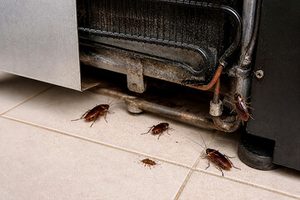
Signs of Pest Infestation and When to Take Action

Pest infestations rarely happen overnight. In most cases, pests enter a property quietly, establish nesting areas, and multiply before anyone notices obvious problems. By the time visible damage appears, the infestation may already be well established. Understanding the early signs of pest activity is essential for protecting indoor environments, preventing structural damage, and avoiding long-term expenses. Recognizing when to take action can make the difference between a minor issue and a costly, ongoing problem that disrupts daily life.

pest control

Many property owners assume pests only become a concern when they are seen crawling across floors or walls. However, visible pests are often just the tip of the iceberg. Most species prefer hidden spaces such as attics, storage areas, crawl spaces, and behind appliances. This means that early warning signs tend to be subtle. Strange sounds at night, unexplained odors, or small droppings may signal that pests have already begun to settle in. Acting quickly when these signs appear can prevent infestations from escalating. Reach out to Pest Control Keller TX for expert assistance.

Unusual Sounds and Hidden Movement

One of the earliest and most overlooked indicators of pest activity is unusual noise. Scratching, tapping, or rustling sounds coming from walls or ceilings can indicate the presence of rodents or other small intruders. These noises are often more noticeable during quiet hours, especially at night when pests are most active. While occasional sounds may seem harmless, repeated noises in the same areas should never be ignored.

Pests that move through hidden spaces often leave behind trails and nesting materials. Over time, these activities can damage insulation, wiring, and stored items. Ignoring early sounds may allow pests to expand their territory within the property, making removal more complicated later on. Listening carefully to these subtle cues helps property owners detect issues before they become severe.

In addition to sound, vibration or shifting objects can signal hidden pest activity. Items that appear moved, packaging that seems disturbed, or materials that fall unexpectedly may indicate that pests are exploring or nesting nearby. Observing these changes closely can help identify problem areas that require attention.

Droppings, Smears, and Physical Evidence

Physical evidence is one of the most reliable indicators of a pest infestation. Droppings, grease marks, or small stains often appear along walls, near food storage areas, or in dark corners. These signs suggest that pests are traveling regularly through specific routes. Even small amounts of waste should be taken seriously, as they can indicate an established population.

Different pests leave different types of evidence, but common signs include:

  1. Small pellet-like droppings near hidden spaces or storage areas
  2. Smudge marks along baseboards or narrow pathways where pests travel

These physical traces not only confirm pest activity but also provide clues about movement patterns. Identifying these patterns helps determine where pests are entering and where treatments should be focused.

In some cases, shed skins, wings, or nesting debris may be found in seldom-used areas. These materials often accumulate gradually, making them easy to overlook during routine cleaning. Conducting occasional deep inspections of storage zones and rarely accessed spaces can reveal early signs that might otherwise go unnoticed.

Damage to Surfaces and Stored Items

Pests often leave behind visible damage that signals their presence long before they are seen directly. Gnawed edges on packaging, chewed wires, or small holes in walls and fabrics may indicate that pests are searching for food or creating nesting areas. These signs are particularly common in storage rooms, kitchens, and areas where materials remain undisturbed for long periods.

Structural damage caused by pests can escalate quickly if ignored. Over time, weakened materials may lead to larger repair needs and safety concerns. Monitoring surfaces for small cracks, bite marks, or unusual wear can help identify pest activity early. Even minor damage should be evaluated carefully, as it often indicates repeated activity rather than a single isolated event.

Property owners should also pay attention to unusual dust or debris accumulation. Some pests tunnel through materials or build nests using shredded paper, insulation, or fabric. Discovering unexplained debris piles is often a clear sign that pests are actively modifying their environment.

Unpleasant Odors and Air Quality Changes

Unusual odors can be a strong indicator of pest activity. Musty smells, ammonia-like scents, or lingering unpleasant odors may suggest the presence of droppings, nesting materials, or hidden pests. These smells often intensify in enclosed spaces where ventilation is limited, such as closets or storage rooms.

Changes in indoor air quality can also signal pest problems. Increased allergy symptoms, unexplained respiratory discomfort, or persistent dust may result from pest-related contaminants. While these symptoms may have multiple causes, they should prompt a closer inspection of areas where pests might be hiding.

Odors tend to become more noticeable as infestations grow, which means early detection is essential. Addressing the issue when smells first appear can prevent larger sanitation challenges later. Ignoring persistent odors may allow pests to remain undetected until significant damage has already occurred.

Increased Pest Sightings and Daytime Activity

Occasional pest sightings are not uncommon, especially during seasonal changes. However, frequent sightings or pests appearing during daylight hours can signal a growing infestation. Many pests prefer to stay hidden during the day, so seeing them regularly in open spaces may indicate overcrowding in nesting areas.

When pest sightings increase, it is often a sign that the population has expanded beyond its original hiding places. At this stage, quick action becomes critical. Delaying treatment may allow pests to reproduce rapidly, leading to more extensive infestations that require more intensive solutions.

Monitoring the frequency and location of sightings can provide valuable insight into infestation patterns. Keeping track of where pests appear helps identify high-risk zones that may need targeted attention.

Changes in Outdoor Conditions and Entry Points

Pest infestations often begin outside the property before moving indoors. Changes in landscaping, moisture levels, or structural gaps can create new opportunities for pests to enter. Small openings around doors, windows, or utility lines may seem insignificant but can serve as primary entry points.

Common exterior warning signs include:

  1. Soil disturbances or burrow openings near foundations
  2. Cracks, gaps, or damaged seals that allow easy access indoors

Regularly inspecting the exterior of a property helps identify vulnerabilities before pests exploit them. Sealing entry points and maintaining clean surroundings are essential steps in reducing infestation risks.

Outdoor lighting and food sources can also attract pests closer to structures. Reducing clutter, managing waste properly, and maintaining vegetation can discourage pests from settling near entryways.

When to Take Immediate Action

Knowing when to act is just as important as recognizing the signs of infestation. Early intervention can prevent minor problems from escalating into serious concerns. If multiple warning signs appear at once, it is often best to take action quickly rather than waiting for the situation to worsen.

Immediate action is recommended when droppings are discovered in food preparation areas, when structural damage becomes visible, or when pest sightings increase dramatically. These indicators suggest that pests have already established a presence and may be reproducing. Addressing the issue promptly can reduce health risks and limit property damage.

Even if the signs seem minor, taking preventive measures early can save time and money. Simple steps such as improving sanitation, reducing moisture, and sealing gaps can help slow pest activity while more comprehensive solutions are considered.

The Importance of Professional Assessment

While some infestations can be managed with preventive measures, others require professional evaluation. Persistent signs, recurring infestations, or widespread damage often indicate that pests have established hidden nesting areas that are difficult to access without specialized tools and knowledge.

Professional assessments provide a deeper understanding of infestation severity and underlying causes. Experts can identify pest species accurately, locate hidden entry points, and develop targeted strategies that address both current problems and future risks. This level of insight is particularly valuable when infestations continue despite repeated DIY attempts.

Seeking professional help at the right time ensures that treatments are effective and aligned with safety standards. Rather than relying on guesswork, property owners gain a clear plan for long-term pest management.

Preventing Future Infestations Through Awareness

Recognizing the signs of pest infestation is not only about solving current problems; it is also about preventing future issues. Awareness of early warning signs allows property owners to respond proactively rather than reactively. Regular inspections, consistent cleaning routines, and attention to structural maintenance all contribute to a pest-resistant environment.

Developing good habits can significantly reduce the risk of infestations. Storing food securely, managing waste responsibly, and minimizing clutter create fewer opportunities for pests to thrive. Combining these practices with periodic inspections ensures that potential problems are addressed before they become serious.

Conclusion

Pest infestations often begin quietly, making early detection essential for effective control. From unusual sounds and physical evidence to structural damage and persistent odors, the signs of pest activity are often subtle but meaningful. Understanding these indicators empowers property owners to act at the right time, preventing minor issues from escalating into major challenges.

Knowing when to act is key to maintaining a safe and comfortable environment. Whether addressing early warning signs or seeking professional assessment for more serious concerns, timely responses protect both property and well-being. By staying attentive to changes within and around a property, anyone can reduce the risk of infestations and maintain a healthier, pest-free space for the long term.

Navigation