Author: Ava West

Dumpster Rental Guide: Everything You Need to Know Before Renting a Dumpster

You begin cleaning out the garage, clearing old furniture from the basement, or starting a home renovation project. At first it feels manageable, but soon piles of debris, broken materials, and unwanted items start to grow. Trash bags fill up quickly, and the regular waste bin suddenly feels far too small. This is the moment many homeowners and contractors realize they need a better solution. Dumpster Rental provides a convenient and efficient way to handle large amounts of waste during cleanouts, construction projects, and major home improvements.

Understanding Dumpster Rental Services

Dumpster Rental

Dumpster rental is a waste management service that provides large containers designed to collect and transport significant amounts of debris. These containers are delivered to a location, placed in a convenient spot, and later removed once they are filled.

Unlike regular household trash collection, dumpster rentals are intended for large scale waste disposal. They are commonly used during construction projects, remodeling jobs, landscaping work, and property cleanouts.

Dumpsters come in various sizes to accommodate different types of projects. Some containers are suitable for small residential cleanups, while others are designed for heavy construction debris. Choosing the right size helps ensure that the container can handle the amount of waste produced during a project.

The process typically involves scheduling delivery, filling the dumpster with approved materials, and arranging pickup when the container is full or the project is complete. This simple process makes waste management much more convenient.

When Dumpster Rental Is Most Useful

Dumpster rentals are useful for a wide range of projects where large amounts of waste need to be removed quickly and efficiently. One of the most common uses is during home renovation projects.

When walls are removed, flooring is replaced, or cabinets are torn out, construction debris can accumulate rapidly. Materials such as wood, drywall, tile, and metal require proper disposal, and a dumpster provides a centralized place to collect everything.

Home cleanouts are another situation where dumpster rentals are helpful. When clearing out an attic, garage, or basement, homeowners often discover years of accumulated items that need to be discarded. A dumpster allows these items to be removed without making repeated trips to disposal facilities.

Landscaping projects also generate large amounts of debris. Branches, soil, old fencing, and garden materials can fill standard trash containers quickly. A dumpster simplifies the cleanup process and keeps the property organized.

Moving to a new home can also lead to the need for a dumpster rental. Many people choose to discard unwanted items before relocating, and having a large container available makes the process easier.

Choosing the Right Dumpster Size

Selecting the correct dumpster size is an important step in the rental process. Dumpsters are typically available in several sizes, each designed to accommodate different amounts of waste.

Smaller dumpsters are often used for minor home projects such as garage cleanouts or small renovation jobs. These containers are compact enough to fit in residential driveways while still holding a significant amount of debris.

Medium sized dumpsters are commonly used for larger home remodeling projects. Kitchen renovations, roofing work, and flooring replacement often produce enough waste to require a larger container.

Large dumpsters are typically used for major construction projects or large scale property cleanouts. These containers can handle heavy materials such as concrete, wood, and metal.

Choosing the right size prevents problems during the project. A container that is too small may fill up quickly, requiring additional pickups. A container that is too large may take up unnecessary space.

Understanding the scope of the project helps determine which dumpster size will be most appropriate.

What Materials Can Be Placed in a Dumpster

Most dumpster rentals allow for the disposal of common construction and household materials. Items such as wood, drywall, furniture, and general debris are typically accepted.

Renovation projects often produce materials such as tiles, cabinets, and flooring that can be placed in a dumpster. Landscaping waste such as branches and leaves may also be accepted depending on local disposal regulations.

However, certain materials are usually restricted due to safety or environmental concerns. Hazardous chemicals, flammable substances, and certain types of electronic waste often require specialized disposal methods.

Appliances, tires, and batteries may also have restrictions depending on waste management regulations. It is important to understand these limitations before filling the dumpster.

Proper sorting and disposal ensure that waste is handled responsibly and in compliance with environmental guidelines.

The Dumpster Rental Process

The dumpster rental process is designed to be simple and efficient. It usually begins with selecting the appropriate container size based on the project requirements.

Once the size is chosen, delivery is scheduled. The dumpster is transported to the property and placed in a convenient location where it can be easily accessed.

Placement is an important consideration. Many people choose to place the dumpster in a driveway or another open area where it will not block traffic or access points.

After delivery, the container can be filled gradually as the project progresses. Most rentals allow a certain amount of time for filling the dumpster before pickup is scheduled.

When the container is full or the project is complete, the rental provider collects the dumpster and transports the waste to a disposal or recycling facility.

This process eliminates the need for multiple trips to waste disposal sites and keeps the work area organized.

Benefits of Renting a Dumpster

Dumpster rental offers several advantages for both homeowners and contractors. One of the most significant benefits is convenience. Having a dedicated container for waste keeps the work area clean and reduces clutter.

Efficiency is another advantage. Instead of collecting debris in small piles or bags, everything can be placed directly into the dumpster. This saves time and effort throughout the project.

Safety is also improved when debris is managed properly. Construction materials left scattered around a worksite can create tripping hazards. A dumpster provides a safe location for disposing of waste materials.

Dumpster rentals also support responsible waste management. Many disposal facilities sort materials for recycling, which helps reduce the amount of waste sent to landfills.

In addition, using a dumpster can make large projects feel more manageable. Knowing that waste can be easily removed allows homeowners and contractors to focus on completing the project itself.

Tips for a Smooth Dumpster Rental Experience

Planning ahead can make the dumpster rental process much smoother. Estimating the amount of waste produced during a project helps ensure that the correct container size is selected.

It is also helpful to prepare the placement area before delivery. Clearing space in a driveway or designated area allows the dumpster to be positioned safely and conveniently.

Loading the dumpster evenly helps maximize space and prevents materials from spilling over the edges. Breaking down large items such as furniture or boxes can also help make better use of the available space.

Keeping prohibited materials out of the dumpster avoids potential disposal issues. Understanding which items are allowed ensures that waste can be processed without complications.

Following these simple practices helps ensure that the rental process remains efficient from delivery to pickup.

Conclusion: Why Dumpster Rental Is a Smart Waste Management Solution

Dumpster rental provides an effective and convenient solution for managing large amounts of waste during home projects, renovations, and cleanouts. Instead of struggling with overflowing trash bins or making multiple trips to disposal sites, a dumpster offers a centralized place to collect debris.

By choosing the right size container, understanding disposal guidelines, and planning the project carefully, homeowners and contractors can make waste management simple and efficient.

Whether clearing out unwanted items or handling construction debris, dumpster rental helps maintain a clean and organized work environment. With proper planning and responsible use, it becomes an essential tool for completing projects efficiently and responsibly.
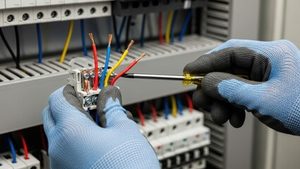
How Professional Electric Companies Improve Home Safety and Energy Efficiency

Electricity is one of the most essential yet potentially hazardous elements in any home. It powers lighting, appliances, heating, and cooling systems, and countless modern conveniences. However, without proper installation, maintenance, and oversight, electrical systems can pose serious safety risks and contribute to unnecessary energy consumption. Professional Electric companies play a critical role in ensuring that residential electrical systems operate safely, efficiently, and reliably. Their expertise not only prevents accidents but also helps homeowners reduce energy bills and create a more sustainable living environment.

electrical

Home electrical systems are intricate networks of wiring, panels, outlets, switches, and circuit breakers. Over time, these systems can deteriorate due to wear, outdated components, improper installations, or increased demand from modern appliances and electronics. A minor electrical issue may seem harmless, but if left unresolved, it can escalate into a fire hazard, cause equipment damage, or result in costly repairs. Professional electricians are trained to identify these risks, correct underlying issues, and implement energy-efficient solutions that improve overall home safety and reduce utility costs.

The Importance of Electrical Safety in Homes

Safety is the foremost concern when it comes to residential electrical systems. Improper wiring, outdated panels, overloaded circuits, and faulty outlets can create conditions that are highly dangerous. Statistics show that electrical failures are a leading cause of residential fires, highlighting the need for professional oversight.

Professional electric companies address home safety by:

  1. Inspecting and Upgrading Panels – Older electrical panels may not support modern energy demands, leading to overheating and potential fire hazards. Upgrading panels ensures proper load distribution and adds necessary safety devices like circuit breakers and surge protection.
  2. Installing Safety Devices – Ground Fault Circuit Interrupters (GFCIs) and Arc Fault Circuit Interrupters (AFCIs) are essential for preventing shocks and fires. GFCIs protect areas with moisture, such as kitchens and bathrooms, while AFCIs prevent fires caused by electrical arcs in wiring.
  3. Proper Wiring and Outlet Installation – Loose, frayed, or improperly installed wiring is a common cause of hazards. Professionals ensure that all connections are secure, code-compliant, and capable of handling the home’s electrical load.

By addressing these safety elements, professional electricians significantly reduce the risk of accidents and create a safer living environment for homeowners and their families.

Preventing Electrical Hazards

Many homeowners underestimate how minor issues, such as flickering lights, frequent breaker trips, or warm outlets, can signal larger problems. These symptoms often indicate overloaded circuits, deteriorating wiring, or faulty electrical devices. If ignored, they can escalate into electrical shocks, fires, or significant equipment damage.

Electric companies mitigate these risks by performing comprehensive inspections and troubleshooting to identify the root causes of electrical problems. Their services include:

  • Circuit Analysis – Evaluating whether circuits are overloaded and redistributing electrical loads to balance the system.
  • Fault Detection – Locating damaged wiring, malfunctioning outlets, or unsafe installations before they become dangerous.
  • Code Compliance – Ensuring all work meets national and local electrical codes to provide maximum safety and reduce liability.

Through preventative care and professional expertise, homeowners can avoid dangerous situations, protect their property, and maintain a reliable electrical system.

Enhancing Energy Efficiency

In addition to safety, professional electric companies help homeowners reduce energy consumption and lower utility bills. Residential energy efficiency not only saves money but also supports environmental sustainability. Inefficient electrical systems, outdated appliances, and poor load management can lead to excessive electricity use, higher monthly costs, and unnecessary strain on home infrastructure.

Energy efficiency improvements by professional electricians include:

  1. LED Lighting Upgrades – Replacing traditional incandescent or fluorescent bulbs with LED lighting reduces energy use by up to 75% while offering longer lifespan and better illumination.
  2. Smart Home Integrations – Programmable thermostats, occupancy sensors, and smart lighting systems allow homeowners to optimize electricity usage based on actual needs, avoiding waste.
  3. High-Efficiency Appliances and Circuit Optimization – Upgrading circuits to handle modern appliances efficiently ensures that energy is used effectively, reducing heat loss and electrical strain.

By implementing these measures, homeowners can experience measurable reductions in energy costs while maintaining a reliable and safe electrical system.

Modern Electrical Panel Upgrades

Electrical panels are the control hubs of home electrical systems, managing the flow of power throughout the property. Older or undersized panels can create safety risks and limit energy efficiency. Professional electricians assess panels for capacity, condition, and compliance with modern standards.

Panel upgrades typically involve:

  • Replacing Obsolete Breakers – Ensuring all breakers function correctly and trip appropriately under overload conditions.
  • Increasing Capacity – Adding circuits or upgrading panels to accommodate high-demand appliances like electric stoves, HVAC systems, or EV chargers.
  • Integrating Surge Protection – Protecting sensitive electronics from voltage spikes and power surges.

These improvements not only enhance safety but also allow homeowners to use energy more efficiently and reduce stress on electrical infrastructure.

Home Automation and Energy Management

Smart home technology is a growing area where professional electricians make a significant impact. Automation systems allow homeowners to control lighting, climate, security, and appliances remotely or through pre-programmed schedules. These systems improve convenience and provide opportunities for energy conservation.

Benefits of smart home electrical solutions include:

  1. Automated Energy Control – Lights, HVAC systems, and appliances can be scheduled or adjusted based on occupancy and time of day.
  2. Real-Time Monitoring – Homeowners can track energy usage and identify areas where electricity is being wasted.
  3. Integration with Renewable Energy Sources – Solar panels, battery storage, and other renewable energy systems can be integrated to reduce reliance on the grid.

Professional electric companies ensure that smart systems are installed safely, efficiently, and in accordance with electrical codes, maximizing both energy savings and system reliability.

Surge Protection and Equipment Safety

Voltage spikes and surges are common in homes, caused by lightning, utility issues, or internal electrical faults. These surges can damage sensitive electronics such as computers, televisions, home security systems, and appliances. Professional electricians install surge protection devices at key points in the home to prevent costly damage and reduce the risk of fire.

Key measures include:

  • Whole-House Surge Protection – Protects the entire electrical system from major voltage spikes.
  • Point-of-Use Devices – Provides additional protection for high-value or sensitive equipment.
  • Proper Grounding – Ensures that excess energy safely dissipates, preventing shocks and equipment failure.

These solutions not only protect property and electronics but also contribute to energy efficiency by reducing the strain on home systems during power fluctuations.

Routine Maintenance for Long-Term Efficiency

Maintenance is critical to keeping electrical systems safe and energy-efficient over time. Professional electric companies offer scheduled inspections and maintenance to identify and correct small issues before they become major problems. Regular maintenance helps extend the life of wiring, panels, outlets, and appliances while maintaining optimal energy performance.

Routine services typically include:

  1. Circuit and Panel Inspections – Detecting wear, overheating, or loose connections.
  2. Load Analysis – Ensuring circuits are properly balanced and operating efficiently.
  3. Replacement of Worn Components – Preventing inefficiencies caused by aging switches, outlets, or breakers.
  4. Energy Efficiency Recommendations – Identifying opportunities to upgrade systems or integrate smart technology to lower utility costs.

By investing in routine maintenance, homeowners enjoy long-term cost savings, enhanced safety, and reduced risk of electrical failures.

Emergency Electrical Services

Unexpected electrical problems can pose immediate safety hazards and disrupt daily life. Flickering lights, sudden power outages, or sparking outlets require professional attention to prevent injury or property damage. Licensed electricians provide emergency services that quickly address hazards while minimizing disruption.

Emergency interventions often involve:

  • Diagnosing the source of electrical faults.
  • Repairing or replacing faulty wiring, outlets, or breakers.
  • Restoring a safe and stable power supply to prevent further damage.

Professional emergency services ensure that electrical problems are resolved safely, efficiently, and in compliance with standards.

The Value of Hiring Licensed Professionals

Electricity is a powerful but potentially dangerous force. Licensed professional electricians bring knowledge, skill, and experience that property owners cannot replicate through DIY efforts. Working with licensed professionals guarantees that:

  1. All Work is Safe and Compliant – Ensuring adherence to national and local electrical codes.
  2. Systems are Optimized for Energy Efficiency – Reducing waste, lowering utility costs, and extending equipment life.
  3. Repairs and Upgrades are Reliable – Professional workmanship reduces the likelihood of recurring issues or failures.
  4. Homeowners Gain Peace of Mind – Knowing that their home’s electrical system is safe, efficient, and future-ready.

Hiring licensed professionals is an investment in safety, cost savings, and long-term home performance.

Conclusion

Professional electric companies play a vital role in protecting homes and improving energy efficiency. From panel upgrades and circuit analysis to smart home integration and surge protection, their services ensure that electrical systems operate safely and efficiently. By addressing potential hazards, optimizing energy use, and maintaining compliance with electrical codes, electricians help homeowners reduce risks, lower utility costs, and enjoy a reliable, modern electrical system.

Investing in professional electrical services is more than a practical necessity—it is a strategic approach to home safety, comfort, and sustainability. Whether addressing outdated wiring, installing energy-efficient devices, or providing routine maintenance, electricians enhance the overall performance of a property, ensuring peace of mind for homeowners while creating a safer and more energy-conscious living environment.

Navigation