It often starts with something small. A faint scratching sound behind the wall at night. A line of ants marching across the kitchen counter. A sudden glimpse of a cockroach disappearing beneath the sink. At first, it may seem manageable or even harmless. But pests rarely stay small problems for long.
They multiply quickly, hide in hard to reach spaces, and create health and structural risks that can escalate before you realize the extent of the issue. This is where professional exterminators at Ben’s Pest Control play a crucial role in restoring safety, cleanliness, and peace of mind.
What Exterminators Do and Why They Matter
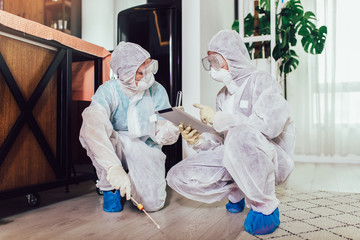
Exterminators are trained professionals who specialize in identifying, eliminating, and preventing pest infestations. Their work goes beyond simply removing visible insects or rodents. They assess the full scope of a problem, locate nesting areas, identify entry points, and implement strategies designed to prevent recurrence.
Pests are not only unpleasant to encounter, they can cause serious damage. Rodents chew through wiring and insulation, increasing the risk of fire. Termites weaken wooden structures, sometimes silently for years. Cockroaches and rodents contaminate food and surfaces with bacteria. Professional exterminators understand the behaviors and life cycles of different pests, allowing them to apply targeted solutions that address the root cause.
Their expertise ensures that treatments are both effective and safe. Modern extermination methods are carefully regulated and designed to minimize risk to people and pets. By relying on trained professionals, homeowners and businesses avoid the dangers of improper chemical use or incomplete treatment.
Common Pests That Require Professional Extermination
While some minor pest problems may seem manageable, many infestations require the skills of experienced exterminators. Ants are among the most common household invaders. Though small, they can infiltrate kitchens, bathrooms, and even structural components. Certain species create large colonies that are difficult to eliminate without professional intervention.
Cockroaches thrive in warm, moist environments and reproduce rapidly. They are known carriers of allergens and bacteria, making them particularly concerning in homes with children or individuals with respiratory conditions. Professional extermination ensures thorough treatment of hidden breeding areas.
Rodents such as mice and rats present both health and structural risks. They chew through wood, drywall, and electrical wiring. Their droppings and urine contaminate surfaces and can spread disease. Because rodents often nest inside walls or attics, locating and eliminating them requires specialized knowledge.
Termites are among the most destructive pests. They feed on wood and cellulose materials, often causing extensive structural damage before being detected. Exterminators use advanced inspection techniques to identify termite activity and implement targeted treatment plans.
Stinging insects such as wasps can also pose safety concerns. Nests located near entryways or outdoor living spaces increase the risk of painful stings. Professional removal ensures safe handling and reduces the likelihood of aggressive behavior during treatment.
The Extermination Process Explained
The extermination process begins with a comprehensive inspection. Exterminators examine both interior and exterior areas to identify signs of infestation. This includes looking for droppings, nests, damaged materials, and entry points.
Once the pest species and severity of the infestation are determined, a customized treatment plan is developed. Different pests require different approaches. Some situations may involve baiting systems, while others require targeted applications in specific areas.
Safety is always a priority. Professional exterminators use products and techniques that are approved and carefully applied to minimize exposure. They provide guidance on necessary precautions during and after treatment.
Follow up visits are often part of the process. Monitoring ensures that the treatment has been effective and allows for adjustments if needed. Long term success depends on addressing not only the immediate infestation but also the conditions that allowed it to develop.
Effective communication between exterminators and property owners ensures that expectations are clear and that preventative recommendations are understood.
Preventative Measures and Long Term Protection
Extermination is only one part of comprehensive pest management. Preventative measures are essential for maintaining a pest free environment. Exterminators often provide guidance on reducing factors that attract pests.
Sealing cracks and gaps around windows, doors, and foundations prevents pests from entering. Repairing damaged screens and installing door sweeps further strengthens barriers. Eliminating moisture sources such as leaky pipes reduces the appeal of interior spaces.
Proper food storage and sanitation practices limit access to nourishment. Regularly cleaning countertops, securing trash containers, and removing clutter help discourage infestations.
Outdoor maintenance also contributes to prevention. Trimming vegetation away from the structure and removing debris reduces nesting opportunities. Maintaining clean gutters prevents water buildup that can attract insects.
Many property owners choose to schedule routine inspections as part of ongoing protection. Regular monitoring ensures that potential issues are detected early, reducing the likelihood of severe infestations.
Health and Safety Benefits of Professional Exterminators
The presence of pests can significantly impact health and safety. Rodents and insects carry bacteria and pathogens that contaminate surfaces and food supplies. Exposure to pest droppings and shed skins can trigger allergies and respiratory issues.
Professional exterminators address these concerns by eliminating infestations and sanitizing affected areas. Their work helps restore a clean and safe environment for occupants.
Structural safety is also improved through professional pest management. Termite damage can weaken support beams and flooring. Rodents chewing on wiring increase fire risk. Timely extermination protects both property and people.
In addition to physical health benefits, eliminating pests reduces stress and anxiety. Living in a home free from unwanted intruders enhances comfort and overall well being.
Choosing the Right Exterminator
Selecting a qualified exterminator is an important decision. Experience and knowledge of local pest behaviors contribute to effective treatment. Trained professionals understand how to identify subtle signs of infestation and implement appropriate solutions.
Clear communication is essential. A reliable exterminator explains the treatment process, outlines expected results, and provides transparent pricing. Understanding the plan helps build trust and confidence.
Licensing and adherence to safety standards demonstrate professionalism. Proper training ensures that treatments are applied correctly and responsibly.
Consistency is also important. Establishing an ongoing relationship with a trusted exterminator allows for regular monitoring and quick response if new issues arise.
Investing in professional services ensures that pest problems are addressed thoroughly rather than temporarily masked.
Conclusion: Restoring Comfort with Professional Exterminators
Pest infestations can disrupt daily life and create serious risks to health and property. While small issues may appear manageable at first, they often require professional expertise for complete resolution. Exterminators provide the knowledge, tools, and strategies necessary to eliminate pests safely and effectively.
By combining targeted treatment with preventative guidance, professional exterminators help homeowners and businesses maintain clean, secure environments. Taking prompt action against infestations protects structural integrity, promotes health, and restores peace of mind. A pest free space is more than a convenience. It is a foundation for comfortable and confident living.