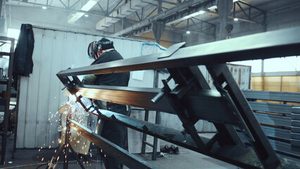
Choosing the right metal for your fabrication project is essential to ensure its durability and functionality. Different metals are better suited to different applications, and understanding your project’s intended function helps you choose the best material.
For example, if your project requires corrosion resistance, stainless steel is a good choice. This metal is affordable and durable, with aluminum and chromium that prevent rust. Visit Boise Metal Fabrication to learn more.
Copper
Whether you’re designing an industrial component, a decorative piece, or anything in between, the type of metal you choose determines how well it will perform. The appropriate material boosts structural strength, endures environmental degradation, and translates your design into the exact appearance you envision.
While steel and stainless steel dominate fabrication applications, other metals offer specialized properties that make them a good choice for specific projects. Brass and bronze, for example, are popular choices in construction, musical instruments, and other decorative items. Their orange-brown hue and malleability set them apart from other metals, and their conductivity offers excellent heat and electricity transfer. Their durability and corrosion resistance make them ideal for plumbing fixtures and other applications that require regular contact with water.
Copper is also easy to work with, and its natural beauty makes it a great option for decorative elements. Its malleable, ductile nature is easy to manipulate into different shapes and sizes. Its electrical conductivity is superb, and it’s easy to turn into thin wire for use in connecting devices to power sources. Copper is a highly durable metal that resists corrosion and can be easily recycled at the end of its life.
Other metals, such as aluminum and titanium, are more commonly used in structural applications. Their tensile strength and resistance to corrosion make them suitable for load-supporting frameworks, while their lighter weights can help reduce overall weight for easier transport and installation. Their corrosion resistance can also extend the lifespan of your product, cutting maintenance costs over time.
Another important consideration is the cost of the materials you’re considering. While some metals, such as copper and titanium, offer a high level of functionality, their upfront costs can be more prohibitive than other options. To meet your budget, you can consider combining multiple metals to achieve the desired characteristics of your project.
The final factor to consider is the strength of the metal you want to use. Stainless steel and aluminum are a good choice for heavy-duty applications, while nickel alloys are often selected for demanding industrial uses that require strong, lightweight components with exceptional resistance to extreme temperatures and corrosion.
Aluminum
The type of metal chosen for fabrication will play a critical role in the final project. This is true for DIY enthusiasts and professional fabricators alike. The material impacts durability, strength, and even appearance. It also has an impact on the fabricator’s operations, with certain materials requiring more specialized equipment and skilled labor for fabrication. Choosing the best metal for your project ensures success while aligning with industry standards and customer requirements.
Steel is a common choice for many metal fabrication projects because it is inexpensive and versatile. It is able to be manipulated into many different shapes and sizes, and is resistant to corrosion. However, there are many other options for metal fabrication that can provide the benefits of steel while offering unique properties to your end product.
For example, aluminum offers a high level of workability that makes it easy to manipulate for fabrication purposes. This material is ideal for laser cutting, welding, forming, and milling. Aluminum is also one of the most recyclable metals, making it a great option for environmental and sustainability concerns.
Another advantage of aluminum is that it can withstand high temperatures. This is important if your project requires you to weld or form parts in areas that may come into contact with flames or heat sources. Additionally, it can be used in applications where moisture is a concern.
Bronze is a metal that is often found in artistic works and musical instruments, but it can also be fabricated for metalworking projects. This material is non-sparking and non-magnetic, and it is a good choice for fasteners and connectors that may be exposed to chemicals or explosives. It can also be shaped into springs, bearings, and bushings.
Choosing the right metal for your project will make all the difference in its quality, appearance, and longevity. Whether you are working on a small home project or an industrial-scale structure, it is important to choose the best metal for your needs. Kloeckner Metals offers a wide range of steel, aluminum, and copper products to meet your specific application needs. We can help you select the correct alloys to meet the requirements of your project and ensure that it will be a success for years to come.
Steel
Steel is the most common metal in fabrication shops, but that doesn’t mean it’s the best choice for every project. The type of metal you choose for a specific project has long-term implications on its performance and costs. Asking yourself five important questions before picking a metal can help you match the right features to your needs.
While it can be expensive, steel offers durability and strength that make it a popular option for projects in both the aerospace and automotive industries. Its resistance to corrosion also helps cut maintenance costs in the long run, making it a great material for supporting large structures and protecting them from harsh environments.
It is a heavy metal, however, and that can be problematic when you need something lightweight for ease of movement. For this reason, it’s often used in large equipment and car parts that don’t require a lot of movement or maneuvering. Its downside is that it rusts easily, but adding coatings can protect it from moisture and certain chemicals.
Stainless steel is an excellent alternative to iron when you need a fabricated metal that doesn’t rust. By adding aluminum and chromium to the basic iron-and-carbon composition, you can reduce its tendency to rust and create a more attractive appearance. This metal is found in everything from kitchen utensils to railings and decorative elements, and it’s an excellent choice for projects where the visual appeal of the finished product matters.
Copper is a metal that offers a number of unique benefits, including high thermal and electric conductivity and biostatic properties that keep organisms from attaching to its surface. It is also a good alternative to stainless steel when it comes to corrosion, but its cost makes it a less desirable choice for general use.
Regardless of the type of metal you choose for your project, it’s vital to work with a professional fabrication shop to ensure quality results. A skilled fabricator has access to advanced machinery and expertise that can save you time and money while ensuring a strong, durable end product. Choosing the right metal for your next fabrication project will increase efficiency and reduce maintenance costs in the long run, so be sure to take the time to weigh all your options before making a decision.
Titanium
Titanium is an extremely strong metal with a low density and corrosion resistance. It’s also biocompatible, making it a good choice for medical devices (titanium screws, surgical instruments and dental implants), jewelry and electronics. It can withstand high temperatures, making it an ideal material for aerospace components and other industrial applications.
Like stainless steel, titanium is also very durable and resistant to wear and tear. It’s ideal for harsh environments, where it can withstand frequent contact with moisture and chemicals. In fact, it’s a popular choice for marine applications and is often used in medical equipment. Unlike some other metals, titanium does not rust easily, even in wet conditions.
One of the biggest disadvantages of titanium is its cost, which can be five to ten times higher than comparable steel grades. This is due to the cost of raw materials and fabrication. The production process of titanium is complex, requiring specialized machinery and labor. Steel, on the other hand, requires less specialized equipment and is easier to fabricate than most other metallic substances. This makes it a more cost-effective option for most applications.
While titanium’s strength-to-weight ratio is valuable in aerospace and other specialized applications, steel remains the go-to choice for manufacturers prioritizing strength, longevity, and dependable performance over weight reduction. Its superior tensile and yield strength make it ideal for heavy-duty applications where components are subject to repeated stress and vibration.