You begin cleaning out the garage, clearing old furniture from the basement, or starting a home renovation project. At first it feels manageable, but soon piles of debris, broken materials, and unwanted items start to grow. Trash bags fill up quickly, and the regular waste bin suddenly feels far too small. This is the moment many homeowners and contractors realize they need a better solution. Dumpster Rental provides a convenient and efficient way to handle large amounts of waste during cleanouts, construction projects, and major home improvements.
Understanding Dumpster Rental Services
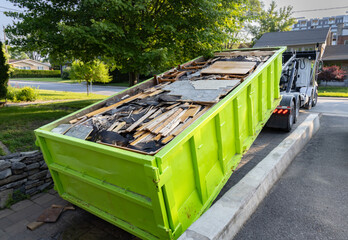
Dumpster rental is a waste management service that provides large containers designed to collect and transport significant amounts of debris. These containers are delivered to a location, placed in a convenient spot, and later removed once they are filled.
Unlike regular household trash collection, dumpster rentals are intended for large scale waste disposal. They are commonly used during construction projects, remodeling jobs, landscaping work, and property cleanouts.
Dumpsters come in various sizes to accommodate different types of projects. Some containers are suitable for small residential cleanups, while others are designed for heavy construction debris. Choosing the right size helps ensure that the container can handle the amount of waste produced during a project.
The process typically involves scheduling delivery, filling the dumpster with approved materials, and arranging pickup when the container is full or the project is complete. This simple process makes waste management much more convenient.
When Dumpster Rental Is Most Useful
Dumpster rentals are useful for a wide range of projects where large amounts of waste need to be removed quickly and efficiently. One of the most common uses is during home renovation projects.
When walls are removed, flooring is replaced, or cabinets are torn out, construction debris can accumulate rapidly. Materials such as wood, drywall, tile, and metal require proper disposal, and a dumpster provides a centralized place to collect everything.
Home cleanouts are another situation where dumpster rentals are helpful. When clearing out an attic, garage, or basement, homeowners often discover years of accumulated items that need to be discarded. A dumpster allows these items to be removed without making repeated trips to disposal facilities.
Landscaping projects also generate large amounts of debris. Branches, soil, old fencing, and garden materials can fill standard trash containers quickly. A dumpster simplifies the cleanup process and keeps the property organized.
Moving to a new home can also lead to the need for a dumpster rental. Many people choose to discard unwanted items before relocating, and having a large container available makes the process easier.
Choosing the Right Dumpster Size
Selecting the correct dumpster size is an important step in the rental process. Dumpsters are typically available in several sizes, each designed to accommodate different amounts of waste.
Smaller dumpsters are often used for minor home projects such as garage cleanouts or small renovation jobs. These containers are compact enough to fit in residential driveways while still holding a significant amount of debris.
Medium sized dumpsters are commonly used for larger home remodeling projects. Kitchen renovations, roofing work, and flooring replacement often produce enough waste to require a larger container.
Large dumpsters are typically used for major construction projects or large scale property cleanouts. These containers can handle heavy materials such as concrete, wood, and metal.
Choosing the right size prevents problems during the project. A container that is too small may fill up quickly, requiring additional pickups. A container that is too large may take up unnecessary space.
Understanding the scope of the project helps determine which dumpster size will be most appropriate.
What Materials Can Be Placed in a Dumpster
Most dumpster rentals allow for the disposal of common construction and household materials. Items such as wood, drywall, furniture, and general debris are typically accepted.
Renovation projects often produce materials such as tiles, cabinets, and flooring that can be placed in a dumpster. Landscaping waste such as branches and leaves may also be accepted depending on local disposal regulations.
However, certain materials are usually restricted due to safety or environmental concerns. Hazardous chemicals, flammable substances, and certain types of electronic waste often require specialized disposal methods.
Appliances, tires, and batteries may also have restrictions depending on waste management regulations. It is important to understand these limitations before filling the dumpster.
Proper sorting and disposal ensure that waste is handled responsibly and in compliance with environmental guidelines.
The Dumpster Rental Process
The dumpster rental process is designed to be simple and efficient. It usually begins with selecting the appropriate container size based on the project requirements.
Once the size is chosen, delivery is scheduled. The dumpster is transported to the property and placed in a convenient location where it can be easily accessed.
Placement is an important consideration. Many people choose to place the dumpster in a driveway or another open area where it will not block traffic or access points.
After delivery, the container can be filled gradually as the project progresses. Most rentals allow a certain amount of time for filling the dumpster before pickup is scheduled.
When the container is full or the project is complete, the rental provider collects the dumpster and transports the waste to a disposal or recycling facility.
This process eliminates the need for multiple trips to waste disposal sites and keeps the work area organized.
Benefits of Renting a Dumpster
Dumpster rental offers several advantages for both homeowners and contractors. One of the most significant benefits is convenience. Having a dedicated container for waste keeps the work area clean and reduces clutter.
Efficiency is another advantage. Instead of collecting debris in small piles or bags, everything can be placed directly into the dumpster. This saves time and effort throughout the project.
Safety is also improved when debris is managed properly. Construction materials left scattered around a worksite can create tripping hazards. A dumpster provides a safe location for disposing of waste materials.
Dumpster rentals also support responsible waste management. Many disposal facilities sort materials for recycling, which helps reduce the amount of waste sent to landfills.
In addition, using a dumpster can make large projects feel more manageable. Knowing that waste can be easily removed allows homeowners and contractors to focus on completing the project itself.
Tips for a Smooth Dumpster Rental Experience
Planning ahead can make the dumpster rental process much smoother. Estimating the amount of waste produced during a project helps ensure that the correct container size is selected.
It is also helpful to prepare the placement area before delivery. Clearing space in a driveway or designated area allows the dumpster to be positioned safely and conveniently.
Loading the dumpster evenly helps maximize space and prevents materials from spilling over the edges. Breaking down large items such as furniture or boxes can also help make better use of the available space.
Keeping prohibited materials out of the dumpster avoids potential disposal issues. Understanding which items are allowed ensures that waste can be processed without complications.
Following these simple practices helps ensure that the rental process remains efficient from delivery to pickup.
Conclusion: Why Dumpster Rental Is a Smart Waste Management Solution
Dumpster rental provides an effective and convenient solution for managing large amounts of waste during home projects, renovations, and cleanouts. Instead of struggling with overflowing trash bins or making multiple trips to disposal sites, a dumpster offers a centralized place to collect debris.
By choosing the right size container, understanding disposal guidelines, and planning the project carefully, homeowners and contractors can make waste management simple and efficient.
Whether clearing out unwanted items or handling construction debris, dumpster rental helps maintain a clean and organized work environment. With proper planning and responsible use, it becomes an essential tool for completing projects efficiently and responsibly.